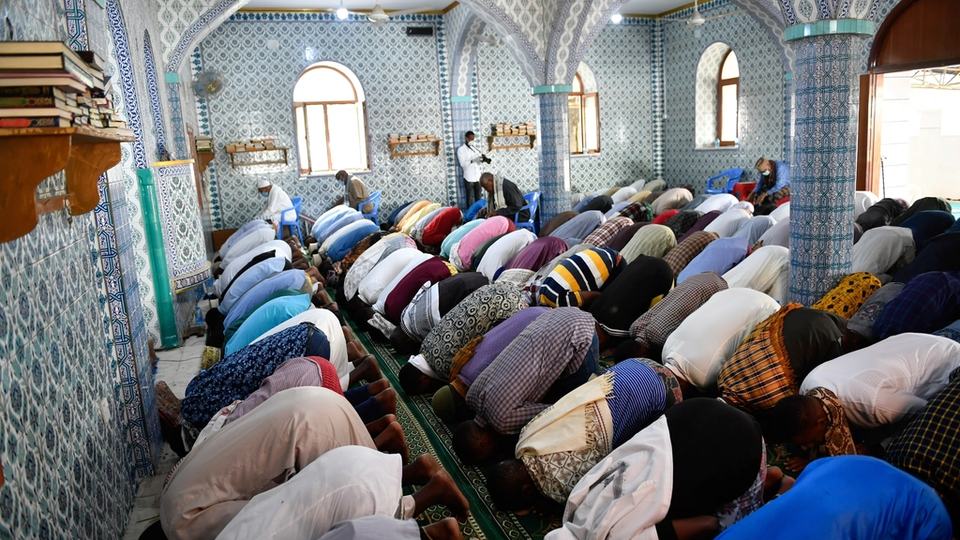
Every year it happens: the masājid empty a little after Eid, the alarm for suḥūr is switched off, and many of us feel the spiritual “high” of Ramadan fading. That dip is not a sign of hypocrisy. It is human. Ramadan is a training camp, and the real test is what we carry out of it.
1. Keep one deed small and constant
The Prophet ﷺ said that the deeds most beloved to Allah are those done consistently, even if they are few (Ṣaḥīḥ al-Bukhārī 6464). Choose one thing from Ramadan you can genuinely keep — two rakʿahs of night prayer, a page of Qurʾān, a daily ṣadaqah of any amount — and protect it like an appointment.
2. Fast the six days of Shawwal
“Whoever fasts Ramadan and then follows it with six days of Shawwal, it is as if he fasted for a lifetime” (Ṣaḥīḥ Muslim 1164). They do not need to be consecutive, and they are a perfect bridge between the month of fasting and the rest of the year. After Shawwal, many keep the Monday and Thursday fasts, or the three “white days” of each Islamic month.
3. Shrink your Qurʾān goal — don’t abandon it
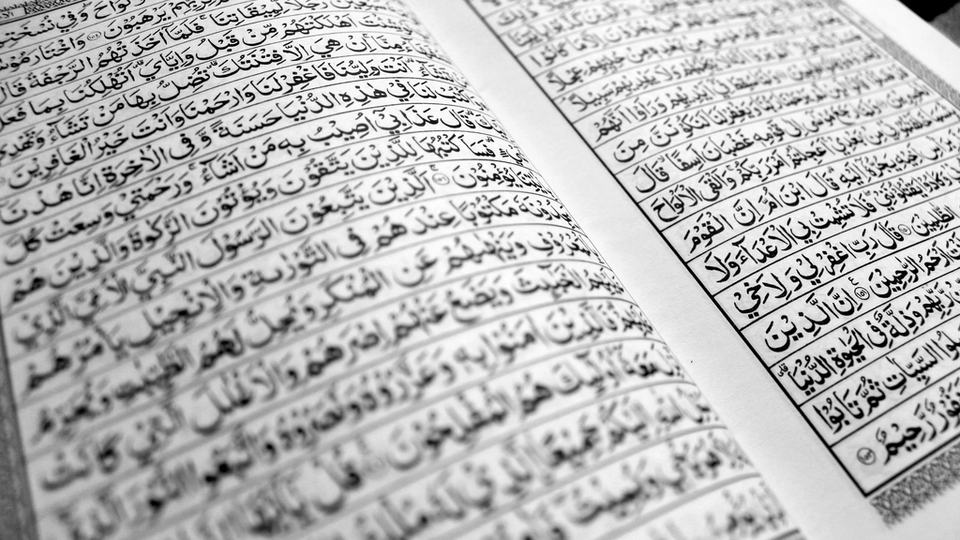
If you finished a khatm in Ramadan, you have proven you can read every day. Instead of stopping completely, reduce the portion: one page after Fajr, or a quarter-juzʾ before bed. Following along with a reciter helps on tired days; in the Bakiif reader each verse lights up as it is recited, so you can listen and read at the same time.
4. Remember that the Lord of Ramadan is the Lord of every month
We do not worship a month. The mercy we felt in Ramadan does not leave with it. When you slip — and you will — return quickly, without despair. “Do not despair of the mercy of Allah. Indeed, Allah forgives all sins” (39:53).
Ramadan shows you who you can be. The rest of the year is where you slowly become it.
Further reading
Post-Ramadan Highs and Lows: How to Protect Your Faith in 4 Steps — Yaqeen Institute.